
Premier 15 Gucci Women’s Handbags 2024: Prices and Investment Value
Our detailed analysis ranks these 15 designer bags with 2024’s most robust investment potential, including present U.S. price spans and what you can realistically expect on the pre-owned sector. The short version: heritage metal design groups including Jackie, Horsebit, and Bamboo dominate value preservation, particularly for small-to-medium sizes and core leathers. Use the table below to evaluate boutique against resale, then examine the comprehensive model-by-model strategy.
Gucci’s icons are behaving like blue-chip fashion assets this year, while several fresh silhouettes are developing strength through the brand’s refreshed direction. When judging value, prioritize timeless metal details, understated shades, and practical dimensions meeting real-world demand. Archived signature models can outpace retail, but condition, wholeness, plus verification checks decide when these premiums sticks. If buyers consider functionality with future resale potential, these pieces highlighted as “anchors” provide the best risk-adjusted buys.
What Gucci handbags hold value during 2024?
Pieces with archival hardware and long, enduring status preserve the line: Jackie 1961, Horsebit 1955, Bamboo 1947, and Diana. Among contemporary designs, Blondie and Horsebit Chain are climbing, while Dionysus remains stable in classic iterations. Entry-price material including Ophidia stays fluid, as select discontinued models—Soho Disco with Sylvie 1969—trade above last retail in optimal shades with condition.
The strongest performing setups are small to compact top handles and shoulder styles with black, brown, and tan leather, followed by GG Supreme canvas with leather trim. Limited editions may surge, though mass exposure cuts the style cycle, so choose basic SKUs unless you’re trading quickly. Chain-equipped evening silhouettes like Horsebit Chain travel well between dress codes, which helps resale velocity. Bright limited shades might do well at launch, yet neutrals compound value over a longer hold. Purchasers planning to wear then resell ought to stick to the icons; collectors can selectively seek exclusive items.
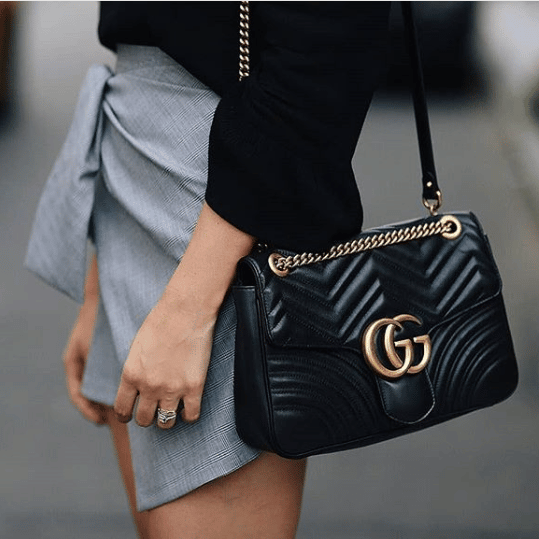
2024 Price and Resale Snapshot
The table outlines American boutique ranges and typical resale retention for 2024, by model and common size setup. Prices gucci bags for women move by size, leather, and region, therefore consider these as working ranges instead of fixed points.
| Model | American store 2024 (USD) | Typical resale retention | Fast financial insight |
|---|---|---|---|
| Jackie 1961 (Small) | $2,950–$3,200 | 85 to 110% | Multi-generation classic; compact in black or tan leads. |
| Horsebit 1955 (Shoulder) | $2,700 to $3,500 | 85-105% holding | Classic hardware; GG canvas is stable. |
| 1947 Bamboo Compact Top Handle) | $4,200–$4,800 | 85 to 105% | Hand-finished bamboo; rare colors pop. |
| Diana Small Tote | $3,600-$4,500 span | 90-120% holding | Fame factor; bold straps boost interest. |
| Small Dionysus | $2,980 to $3,600 | 75–95% | Hide maintains; decorated pieces are spiky. |
| Marmont GG Small | $2,690-$3,100 span | 60–85% | Common; select black matelassé. |
| Small Ophidia | $1,290 to $1,790 | 65–85% | Accessible cost; GG Supreme ages gracefully. |
| Blondie (Small) | $3,200-$3,800 span | 80 to 100% | ’70s logo ring; clean leather preferred. |
| Padlock Small | $2,450-$2,990 range | 70-90% retention | Material combination; check corner wear. |
| Small Attache | $2,800-$3,300 span | 70–90% | Flexible strap; initial De Sarno-era bet. |
| Small Aphrodite | $2,500–$2,900 | 65-85% retention | Curved hobo; safest in black. |
| Chain Horsebit Bag | $3,800–$4,200 | 85–110% | Night-appropriate; patent and black perform best. |
| Soho Disco Camera | Unavailable (archived) | 70 to 110% of last retail | Secondary market treasure; state drives price. |
| Sylvie 1969 (Small) | Not available (ended) | 85-130% versus last retail | Exotic hues with exotics soar. |
| Bamboo Bucket Small | $3,300 to $3,900 | 70-95% retention | Specialized shape; bamboo detail adds base. |
Retention bands reflect typical outcomes for well-kept pieces including dust bag and receipt; damaged quality can cut realized prices by 15–40%. Regional appetite, progressive pricing increases, and cyclical hue changes will nudge outcomes higher or down. For discontinued models, scarcity premiums hinge upon shade, metal finish, and intactness. If you intend to resell within a year, expect the low end of each band; multi‑year holds for classics frequently creep toward the top end.
How did our team rank investment value?
We prioritized classic endurance, hardware family, present boutique consistency, and secondary-market liquidity. We then incorporated shade plus size premiums, condition sensitivities, and supply visibility showing actual odds, not merely catalog costs.
Liquidity matters more than theoretical upside, so models with consistent sell‑through through acceptable markdowns rank higher over volatile favorites that require precise synchronization. Heritage hardware families score best because appetite remains extensive and repeats over cycles. We discouraged shapes featuring rapid color rotation plus regular markdown exposure, since these boost short-term listings and compress margins. Discontinued styles earned scarcity credit only where long-term cultural recognition is available, beyond merely because they’re hard to find.
Timeless models that anchor value
Jackie 1961, Horsebit 1955, Bamboo 1947, plus Diana are your fundamental investment. Small and mini sizes in black, tan, and brown leather consistently clear at tight spreads versus retail, including sporadic bonuses for rare hues. Jackie 1961’s cylinder mechanism plus slim hobo form flows through day and night, boosting both wear-time and resale velocity. Bamboo 1947 with Diana carry hand-finished bamboo grips, an craft detail that underwrites price floors and draws enthusiasts. If you’re acquiring one item to wear extensively then resell cleanly later, begin through this quadrant.
Jackie 1961 Small at roughly $2,950–$3,200 is the most versatile entry, and the add‑on strap modernizes carry modes without breaking the silhouette. Horsebit 1955 near $2,700–$3,500 leans classic; GG canvas with leather trim appears marginally more forgiving to use versus complete leather. Bamboo 1947 near $4,200–$4,800 is pricier, yet the construction and smaller production supports better retention. Diana at $3,600–$4,500 benefits from celebrity recognition, including bold strap colors contributing investment edge. In these four, skip oversized sizes unless you specifically want a business bag; secondary market skews smaller.
Modern essentials featuring momentum
Dionysus, Blondie, with Attache, and Horsebit Chain balance modern styling with known Gucci elements. Blondie’s circular Interlocking G plate reads modern yet remaining loud, and petite black material versions are subtly strengthening. Horsebit Chain provides dressy refinement to a traditional pattern, a profile that sells quickly in core colors. Dionysus stays dependable in smooth hide plus GG Supreme; aggressively decorated versions fluctuate wider. Attache’s flexible strap mechanism is clever and wearable, but treat it as mid‑level risk, medium‑reward hold unless one gets a core shade early.
Financially, Dionysus Small sits around $2,980-$3,600, Blondie Small around $3,200 to $3,800, Attache Small near $2,800 to $3,300, with Horsebit Chain around $3,800–$4,200. If you want one “trend‑aware” play with a backstop, pick Horsebit Chain with black material and keep it perfect. For Blondie, smooth leather shows wear, so factor a leather care routine within your expense basis. Reserve crystal, ornamentation, with seasonal textures for gathering, beyond for flipping according to timeframes. As momentum develops, examine these models in six to twelve months for indicators of stock tightening.
Affordably priced essentials
Ophidia, Padlock, plus Aphrodite are the functional segment within the portfolio where cost of entry is minimal with activity is high. Ophidia with GG Supreme is a resilient regular bag, and the price band keeps buyer groups broad. Padlock’s material combination forms corners the weak point; buy with clean piping and sell before heavy use develops. Aphrodite’s curved hobo lines are trending, though choose black to minimize scratch visibility and fashion vulnerability. These styles won’t likely to moon; they provide consistent wear with controlled downside.
Ophidia’s compact sizes span about $1,290–$1,790, which attracts first-time luxury buyers and sustains resale appetite. Padlock Small positions near $2,450–$2,990, and neutral trims perform best. Aphrodite Small around $2,500–$2,900 is new adequately to appear current without appearing uncertain across core colors. If you’re allocating a fixed budget, a single classic anchor plus one from these workhorses balances the investment mix. Keep boxes, dust covers, and receipts to sustain activity when you sell.
Archived signature models worth chasing
Soho Disco with Sylvie 1969 have the rarity bonus plus social proof for warranting pursuit. Soho Disco’s compact camera shape still headlines travel and casual outfits, and immaculate grain material pairs to robust costs. Sylvie 1969, particularly within uncommon colors or rare details, might clear well beyond final pricing because production stayed restricted with the hardware is instantly identifiable. Both reward patience and authentication diligence, since state variations stay wide. Treat these items as calculated buys rather than everyday beaters if you want to protect upside.
On Soho Disco, focus on crisp corners, intact fringe, plus spotless interior; pay extra for full set examples and recent spa receipts. Regarding Sylvie 1969, inspect chain‑and‑web metal coordination, closure tension, and edge paint to avoid expensive aftercare. Expect pricing variance by color; black and neutral create the floor, while bold with unusual shades can push the top of the range. If a offer looks reduced for condition, assume competition and move quickly plus confirmation. Scarcity helps, but only the right specimen changes this to outcome.
Fresh versus used: the smarter move today
Buy boutique while it’s a core classic featuring core leather or a hot drop with visible waitlists; otherwise, pre‑owned narrows your downside by 15–35%. For pieces one intends to wear for multiple years, new can be logical when you want service coverage plus the exact specification. If you intend to flip inside twelve months, used within excellent condition including complete set is the superior deal. Discontinued pieces default to pre‑owned; time returns by tracking price histories plus similar transactions. In every case, bargain quality-first, not just value-first.
Market cadence affects outcomes. New prices usually increase up annually, potentially lifting resale floors with heritage pieces, therefore a well-timed boutique purchase still works. Pre‑owned segments weaken during late summer plus early January, useful windows for consumers. If a model is everywhere on social feeds, assume a near-term oversupply plus delay. Keep a running short list with target ranges enabling you can act while an offer hits your specifications.
Upkeep, materials, with color strategy for investment preservation
Neutral material across petite-to-standard sizes stacks optimal chances, followed by GG Supreme canvas with leather accents. Store with padding plus a soft barrier between chain and leather to avoid indentations, and rotate carry to reduce corner wear. Track border finish, angles, and hardware micro-scratches; these are the line points consumers inspect and deduct for. Avoid heavy decoration plus heavy patent during regular wear if you’re maximizing upcoming value. Keep documentation, store marks, and all extras combined for lift realized price and speed up the exchange.
When choosing among similar postings, pick the option featuring neater corners, then the option featuring the better record keeping. If you want a seasonal color, buy it to appreciate, not to trade; the exception is a verified restricted production tied to an event or capsule. For Bamboo plus Diana, treat the bamboo detail including care and skip extended warmth to prevent breaking. For canvas pieces, maintain edges promptly and stop hue migration from dark denim. A simple maintenance routine compounds value over years through a way most consumers underappreciate.




Leave A Comment